
As of June 16th, 2025, I started my job in corporate America… and dang! It’s weird. Going from school to work is different in many strange (?), but also in equally exciting ways. To preface, my resting heart rate has dropped 5 beats per minute, and no that’s not contributed to exercise. But, this post-grad transition is unique and brings various challenges to overcome. If you’re going through something similar with starting a corporate career or even grad school, know that you’re not alone in this transition. This is one of many affirmations I’ve had to tell myself in an increasingly difficult, and different, environment.
Starting the journey: first impression of corporate life
Overall, my first impression is that corporate life has been a large adjustment. I first started with about ~1 month of ‘beach time’ during which I was unstaffed. This was great! I got to relax and focus on furnishing my apartment. I, then, spent ~3 weeks working on two new client proposals. This time allowed me to have a slow transition, but I also had to proactively find ways to go into the office to feel connected. I can now say that I am officially 3 weeks into my first case, and I have a wonderful team and class of peers with whom I have started.

One surprise is how different the pace of energy is. In college, it would be about 90% brain power and focus for very random spouts throughout the day- whether in class, studying, or grinding for an organization. Here at work, it definitely still is a lot of brain power, but it’s also creating powerpoints and organizing information in a way that is digestible. Because of this, I use about 60% of my brain (if not more) all day with little breaks, and when I get home, I am exhausted. Extremely exhausted and almost unsociable (haha, sorry Alex). I have had to learn how to structure time with friends outside of work because of this as it can be tiring to even go on a walk post work, but I have been learning how to see friends in healthy ways to still have a social life outside of work. What I find helpful is to allocate 5 to 15 minutes throughout the day to talk to my friends at work, and otherwise have two days a week or so post work where I can have meaningful time with my friends. Notably, I think I need more time (than I have had) with friends to really build my energy, but I have also found that I need to make time for myself and tell myself that it is ok to be tired and spend time alone.

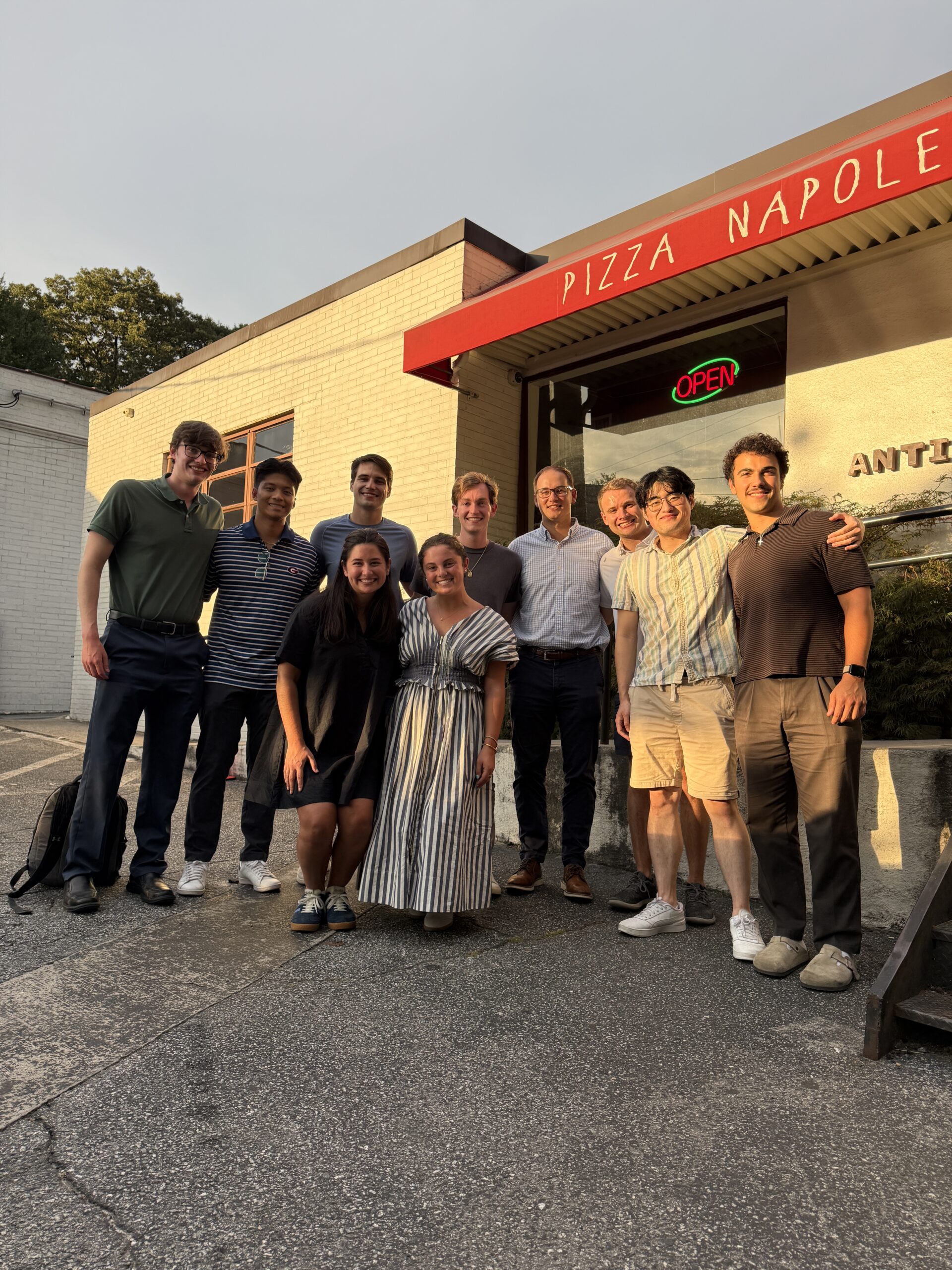
Overall, I have loved my team and enjoy working with so many brilliant people that actively try to make a difference through our projects. But more than that, they have been incredible to be with outside of work, and now here in Atlanta, some of my closest friends have been made through work. It can be extremely difficult to coordinate as some travel or some have to work later than expected, but life is definitely different. The people in my June ‘class’ have made my experience all the more positive, and we even all did a lake weekend together! These bonding moments are definitely crucial to feeling connected, but I am sure that as I have more time, I will begin to have more of a routine and will find ways to have energy.
New city and adjusting to Atlanta
Oh, Atlanta! I never thought I would be in Atlanta. If you asked anyone, I did not ever want to live in Atlanta. Well, after a few months of being here, I can honestly say that Atlanta has been a wonderful place to live (like I’ve really enjoyed being here?!). I would give the city walking score like a 50. It’s doable, but you definitely need a car for it to feel traversable, and at least personally, I’ve never used Marta. But, I have loved getting to live in Midtown and have felt generally very safe. I thought I would give a few of the highlights.
I love eating and walking at Colony Square, and I take walks around Piedmont Park a few times a week. The beltline has also been wonderful to explore, and I’ve had many friend dates walking along it and grabbing coffee (shoutout to Brash, arguably my favorite coffee shop ~thus~ far). The food scene has been mixed, but one thing I love the most about Atlanta is how much of an ‘achievable’ city it is. You really can try and do all the activities and bucket list items, and my goal is to complete an Atlanta activity bingo card by next July.
Now for the not so great parts of living here. There is SO MUCH construction and traffic. Like, genuinely an absurd amount, and the city really teaches you that you have to be an offensive AND defensive driver. Luckily, everyone knows this, but it also means people are more aggressive. In midtown, I also think there is a lack of grocery stores and coffee shops. There are a few fun places nonetheless, and I have really loved trying Refuge and For Five (closer to my office and apartment), But, the other day I went to For Five, and I ordered a matcha for $12 !! Actually unheard of. The city definitely gets pricey, and although my rent could be far worse, the city and food options add up.
Overall, Atlanta has been surprisingly amazing and, honestly, only positively shaped my experience post-grad. It would be wonderful to live slightly closer to Athens, but I enjoy getting to have my own space. I’m also closer to home now which has been wonderful since I get to see my family more often. The night scene has also been enjoyable with a number of Dad’s and Cypress runs and a few nights at cocktail bars like Johnny’s and Burle’s. I have enjoyed getting to explore and see what Atlanta has to offer! Stay tuned for more things to consider down the line.
How I’ve spent my free time
One of the best ways I’ve been able to adjust to work life is through hobbies! Especially cooking and baking, some gaming, and going on walks/getting outdoors. This year has absolutely been one full of personal development, and along that road, I wanted to learn how to cook and bake better (I can’t say I’m a foodie if I can’t chef up a kitchen). Well, I’ve learned a lot! I’ve made many things now, ranging from chicken street tacos to matcha earl gray tiramisu to homemade chocolate chip cookies and a salmon bowl. (Shoutout Saanvikha for picking stellar recipes!) In college I never had time to cook like I do now, or at least it wasn’t a priority. I will say I’m fairly inefficient in the kitchen, but I do have fun and I get to take extras to the office or to have for lunch the next day. Cooking and baking has definitely been a fun avenue to explore gastronomy and how food works. I’ve also been gaming more! It sounds dumb, but it honestly is a great pastime when you need it. Of course I’m playing Fortnite, among other things, but I’ve also gotten into God of War (my brother coerced me into playing). Although I’m constantly hogging the TV, it is a nice distraction and time to invest into myself. I’ve also enjoyed going on long walks, usually around Piedmont Park or even Midtown! It can be nice and relieving, and if you know me, I go on longgg walks.


Outside of these, I try to hangout with friends when I can. Typically, at least one friend spends the night per week, or I’ll hangout with some friends I met at work. Some highlights have been movie nights where we watched The Notebook (probably one of my new favorite movies) and long walks to just chat. A unique aspect about my job is the ‘class’ setting where I have people that I started with that I can rely on and get close with. We have spent a lot of time together and have future plans, and it’s always exciting to have something to look forward to.
I’ve also been looking for ways to get involved in Atlanta. I haven’t been able to start yet since I’ve been adjusting to work and life, but I’m looking at ways to volunteer at the Atlanta Symphony Orchestra and Hands On Atlanta. I think it’s super important to stay involved and give back to your community, and I’ve been doing research on ways to do that.
Work has definitely been an adjustment, but having things to do after work or plans to look forward to makes it all the better.
What’s helping me (and might help you)
Sentimentally, this transition has been much tougher than I would like to admit. If you know me, everything in my life is well, great, and couldn’t be better (for many reasons). But, I still have nerves and anxiety from this transition and have been learning that I have to lean on the people I care about more than ever while feeling comfortable spending time by myself.
I was doing good for a bit, but when I saw UGA classes starting and friends starting grad schools and their own jobs, it really hit, especially since the summer just felt like I was interning, and I did not have much of a transition period between college and work. I also really only have my roommate that’s my close friend to lean on in Atlanta from pre-work, and it’s tough when the people you’ve built years of friendship with move away and become less accessible. I’m also an extrovert and need lotssss of people time to feel more secure with myself, but I’ve been learning to enjoy time by myself and that comes with my hobbies.

Now, for some of these things I wish I knew:
- Your friends are still there! Everyone in a transition stage of life is feeling the same. So lean on each other, call your friends, text them an outrageously stupid amount, and really show that you care.
- Enjoy the time you have with your new friends! I have loved my new work friends and they are also going through this period too. Lean on them, spend time, and go through your activation energy to take that walk or go get a quick dinner. You deserve it and it will help you adjust.
- Write affirmations! Or have a positive reinforcement mechanism. I personally have various affirmations that I have written and have to reassure myself that it will all be ok!
- Give people time to adjust! Especially with school and work starting, give everyone grace to find their routine. You don’t have to constantly be in contact with people to feel connected, and that’s something that I’ve been having to tell myself too.
- Explore! Since living in London in 2023, I have tried to proactively find ways to explore and really stay in touch with my surroundings to make the most of the experience. Get out, look around, and get involved! This will help you adjust and give you things to talk about. Even if it’s just by yourself, that’s more than ok.
- Decorate your apartment quickly! Of course be smart about it, but the quicker you can decorate and make those hard decisions, the more time you have to enjoy the space and feel like you have a home there. You want something nice to come home to every day.
- Pick up a hobby! Having baking/cooking and even being able to game on the playstation have been wonderful ways to feel more comfortable with myself and find activities to pass the time.
But, most importantly: give yourself grace and understand that it is ok and important to learn how to enjoy spending time with yourself.

If you are starting a corporate job or transitioning into a ‘new’ life post grad, know that you’re doing just fine. It is a weird, and sometimes rough transition, but it’s also exciting! Remember that and embrace it. It’s never quick or easy. Your friends are here for you and you should be there for them too. Have experiences, explore, and make the most out of everything!